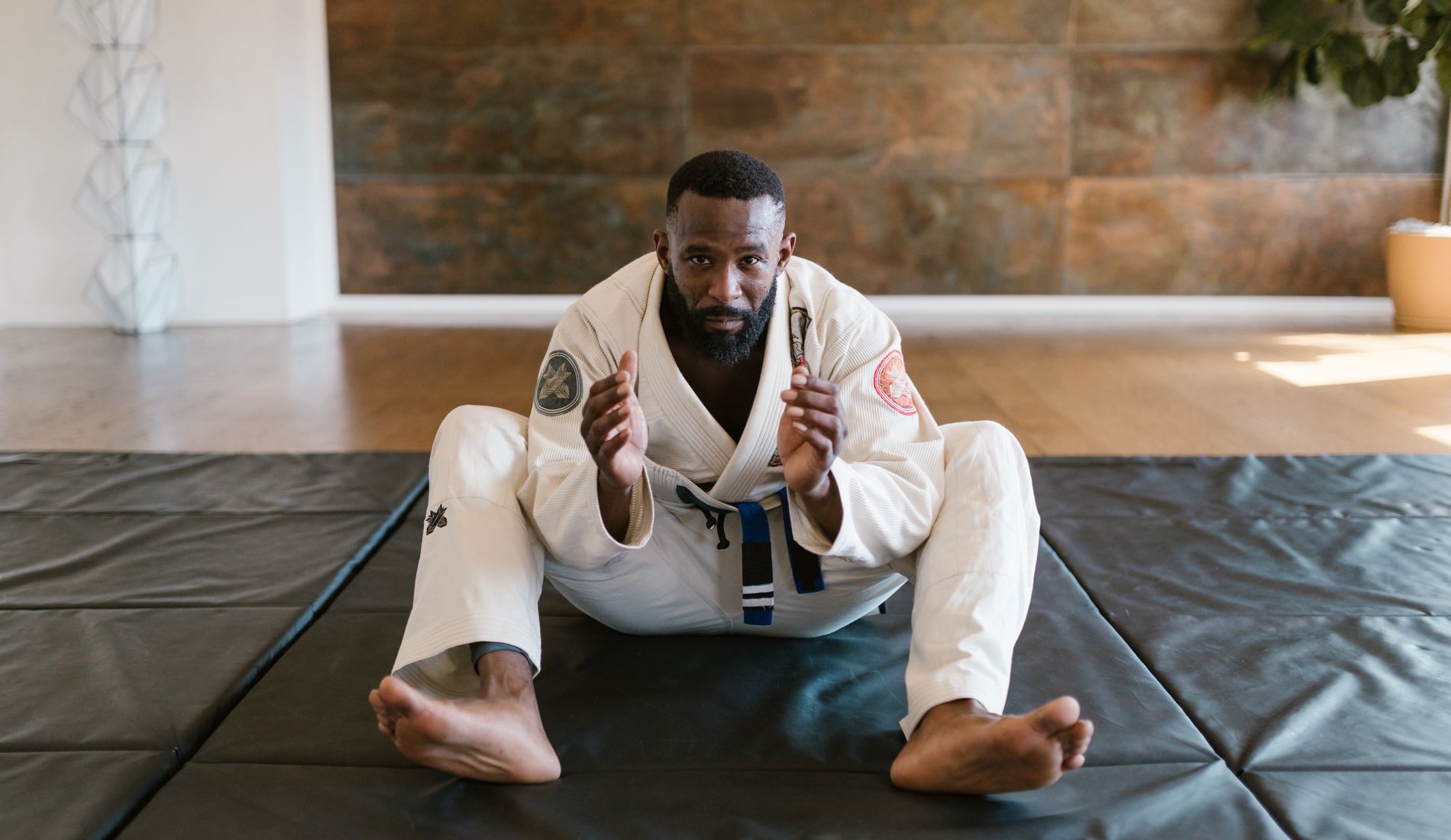
Yes, Brazilian jiu-jitsu is one of the safer contact activities you can do. There is no striking, a partner can tap to stop any position instantly, and most training is controlled drilling. Injuries do happen, but they are usually minor, and BJJ's injury rate is lower than many team sports like soccer or hockey.
If you are thinking about trying jiu-jitsu, or putting your child in it, "is it safe?" is the honest first question, and it deserves an honest answer. Brazilian jiu-jitsu is a grappling martial art built on leverage, control and position. There are no punches and no kicks. That single fact removes the source of most serious injuries in combat sports. But no physical activity is risk-free, so here is a straight, balanced look at what the real risks are, how common injuries actually happen, and what a good academy does to keep them rare.
Is Brazilian jiu-jitsu generally safe to practise?
For most people, yes. Studies of martial arts and combat sports consistently place BJJ among the safest grappling arts, well below striking-based disciplines like boxing or Muay Thai. The reason is structural: in jiu-jitsu, the goal is to control a resisting partner and earn a submission through technique and leverage, not to hurt them. The moment a submission is locked in, the person on the receiving end taps, and the round stops. Compare that to a sport built on collisions or full-contact blows, and it is easy to see why BJJ injuries tend to be fewer and milder.
What are the most common injuries in BJJ?
Being honest means naming the risks. The injuries we see most often are minor and the kind any active person picks up. The serious ones are uncommon and almost always preventable.
Common BJJ injuries: most of them minor
- Jammed or sprained fingers: the most common complaint, from gripping the gi
- Sore knees and tweaked shoulders: usually from drilling volume, not trauma
- Strains and bruises: the ordinary wear of any contact activity
- Skin issues: possible on neglected mats, but easily prevented with good hygiene
- Joint or neck injuries: rare, and usually tied to holding a submission too long or refusing to tap
Notice what is not on that list in any meaningful number: concussions and head trauma. Because there is no striking, head injuries are far less of a concern in BJJ than in most contact sports. The most serious injuries that do occur almost always trace back to a single avoidable cause, ego, which brings us to the system that prevents them.
What safety mechanisms are built into BJJ training?
Jiu-jitsu has a safety valve that most sports simply do not: the tap. When a submission is applied (an armlock, a choke, a shoulder lock), the person caught taps the mat, their partner or themselves, and the technique is released immediately. Tapping is not losing. It is how everyone trains hard for years and stays healthy. The first thing we teach a new student at Stratford BJJ, before any submission, is how to fall safely and how to tap early.
Why the tap keeps BJJ safe
- You control your own safety: one tap stops the round, instantly, every time
- Tap early, not late: tapping the moment a position is locked, not at the last second, is what prevents joint injuries
- No ego on the mat: good academies build a culture where tapping is normal and respected, not mocked
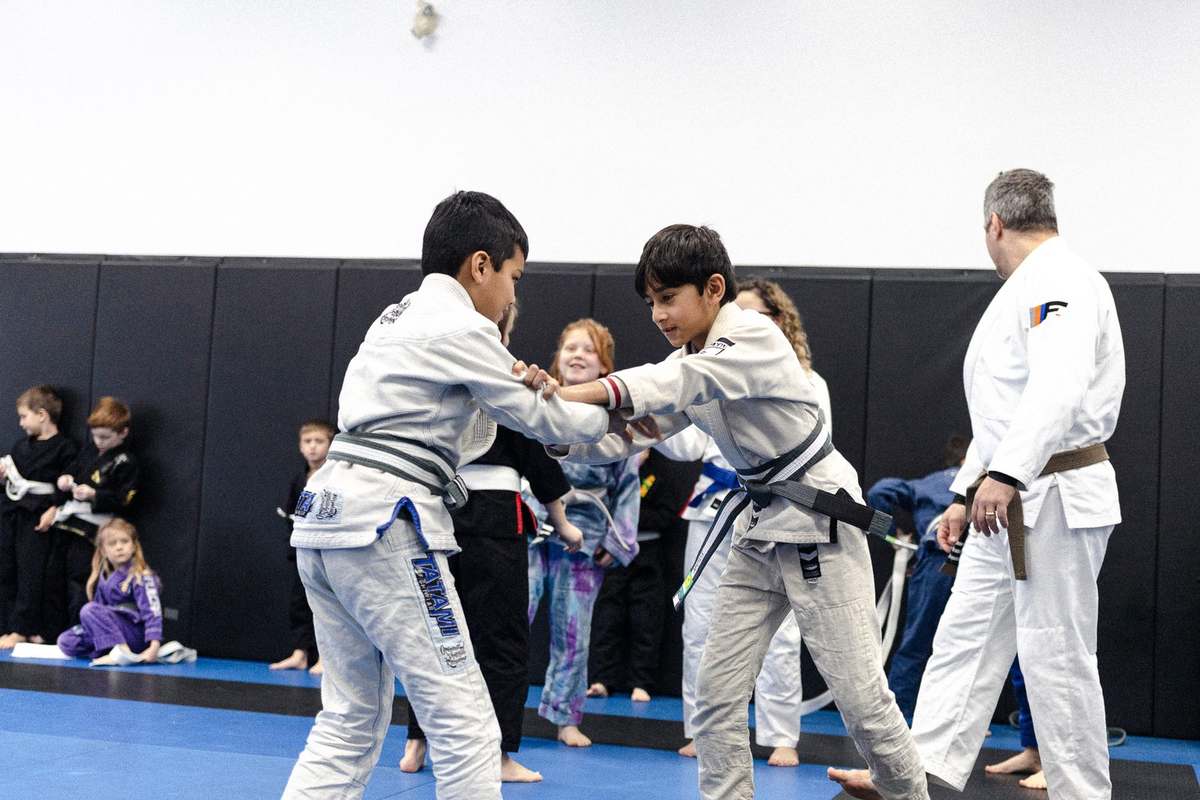
- Controlled drilling: most class time is cooperative practice at low intensity, not all-out sparring
How does BJJ compare to other sports for safety?
This surprises a lot of parents: jiu-jitsu generally carries a lower injury rate than many popular team sports. Soccer and hockey involve high-speed collisions, sudden direction changes and contact you cannot stop on demand. Even recreational running produces a steady stream of overuse injuries. BJJ has none of the impact of a body check and none of the blows of a striking art, and a built-in stop button in the tap. None of this means it is impossible to get hurt. It means that, contact-for-contact, jiu-jitsu is one of the gentler options on the body relative to its reputation.
How are injuries prevented in BJJ?
The biggest factor in whether someone trains for decades injury-free is not luck: it is how they train and where. Most of the risk is in your own hands.
How to stay safe on the mat
- Tap early and often: no submission is worth an injury; you can always reset and go again
- Warm up properly: every class starts with a structured warm-up to prepare joints and muscles
- Train with control, not strength: technique beats muscling through, and it is far safer
- Communicate with your partner: tell them you are new, nursing a sore knee, or want to go light
- Leave your ego at the door: the people who get hurt are usually the ones trying to win every round
- Rest when something hurts: small niggles become real injuries when you ignore them
Are skin infections a risk, and how are they prevented?
Because jiu-jitsu involves close contact on shared mats, skin hygiene is a fair thing to ask about. At a poorly run academy it can be a problem; at a clean one it is rare. The fix is simple and it is the responsibility of both the academy and its members. At Stratford BJJ the mats are disinfected regularly, and we ask everyone to shower after training, wash their gi and rash guard after every session, keep nails trimmed, and stay off the mat with an open cut or any skin issue until it has healed. Clean mats and good personal hygiene make skin problems a non-issue for the vast majority of students.
Want to see how a safe academy actually trains? The first class is free.
Book a Free Intro Class →Is BJJ safe for kids and older beginners?
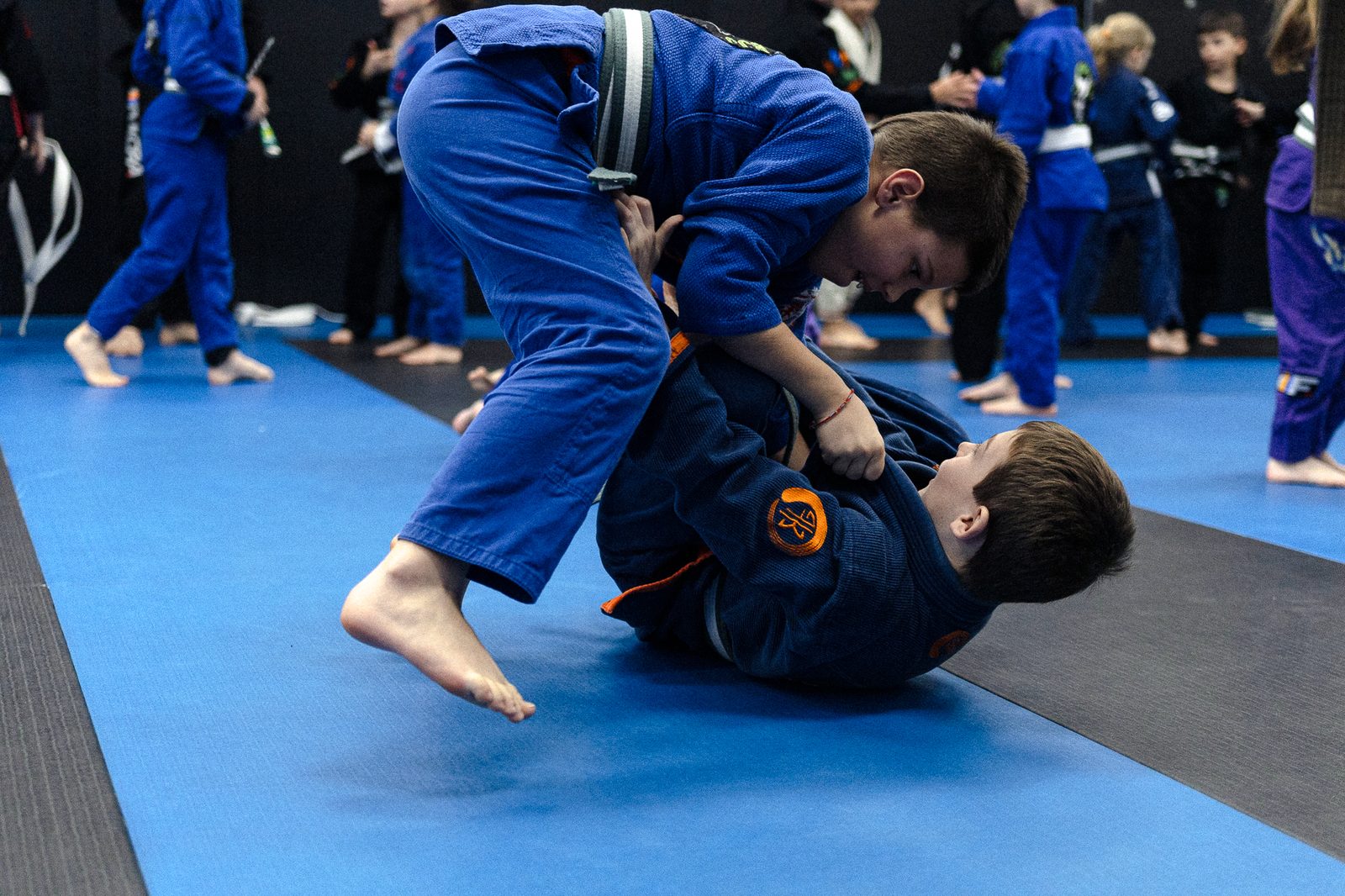
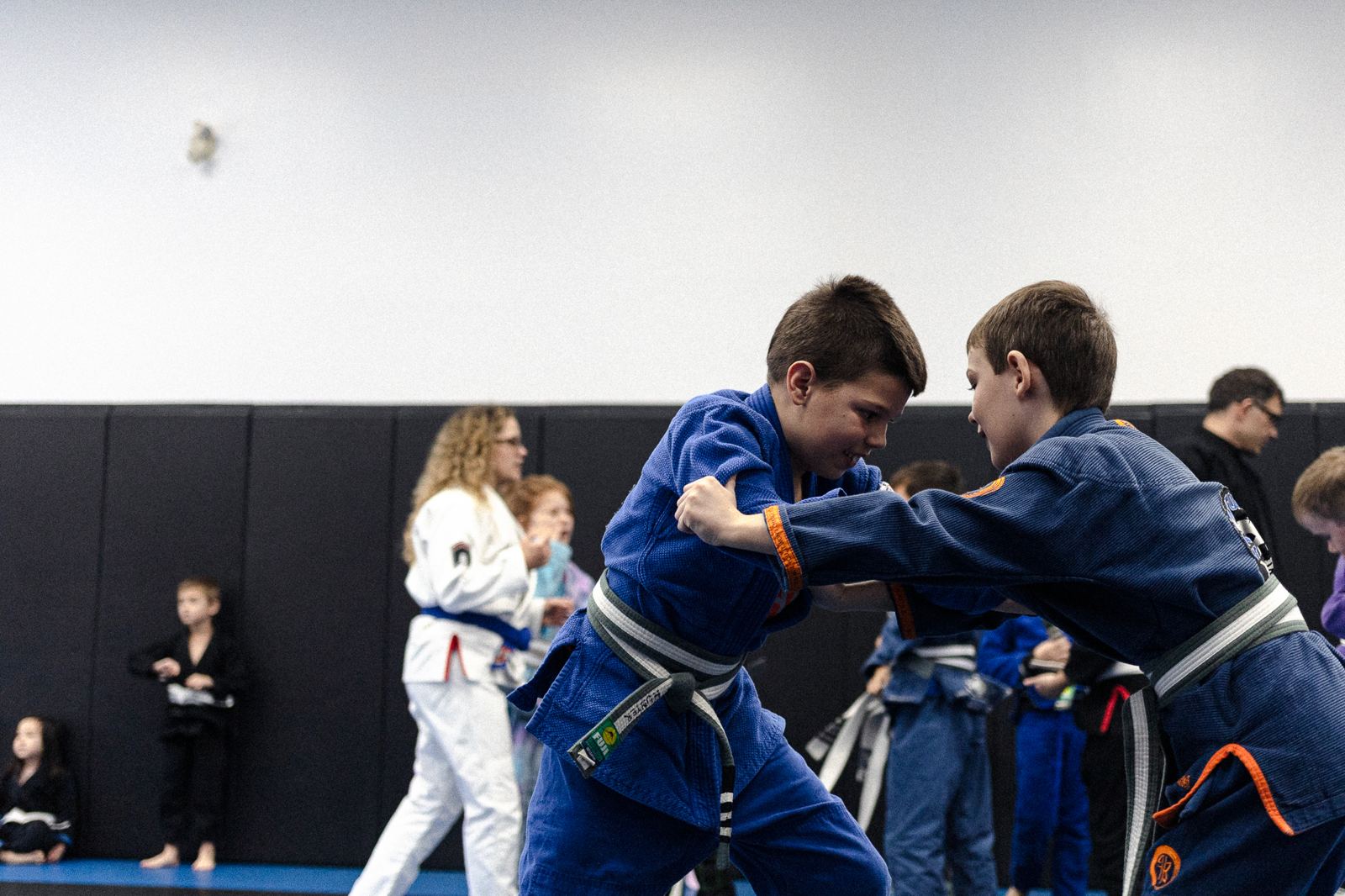
Yes, and the same things that make it safe for adults make it especially good for kids and people starting later in life. Children train in age-grouped classes with no submissions in the youngest groups, lots of supervision and a focus on falling, moving and games. Older beginners drill at their own pace with partners matched to their size and experience, never thrown in with a hard-rolling competitor. Because you set the intensity and the tap is always available, jiu-jitsu is one of the few contact activities people genuinely train into their fifties, sixties and beyond.
How do you choose a safe, reputable BJJ academy?
Honestly, the academy matters more than the art. The same techniques are safe in good hands and risky in careless ones. When you visit a gym, watch how it is run. Are the mats clean and the room well kept? Are coaches matching partners by size and experience, or letting a big white belt spar a small one? Do instructors hold first-aid and CPR certification, and is there a clear warm-up and curriculum rather than "show up and roll"? Is the culture calm and respectful, with tapping treated as normal? A good academy will happily let you watch a class and try one for free before you commit, the same standards we hold ourselves to at Stratford BJJ, where our coaches are vetted and first-aid certified and our tap-early culture is the rule, not the exception.
Key takeaways
- BJJ is one of the safer contact activities: no striking, and a tap stops any position instantly
- Most injuries are minor: jammed fingers, sore knees, bruises; serious ones are uncommon and usually preventable
- Injury rates are lower than many team sports like soccer and hockey
- Tapping early, training with control and leaving your ego at the door prevent almost all of the risk
- Clean mats and good hygiene keep skin issues rare; a well-run academy is the biggest safety factor of all
Frequently asked questions
Yes. Beginners drill slowly with supervised partners and are taught the tap and how to fall before anything else. Most beginner injuries are minor, sore muscles, the odd bruise or a tweaked finger, and they drop further once you learn to tap early and leave your ego at the door.
BJJ tends to have lower injury rates than many popular team sports like soccer, hockey and even running. Because there is no striking and a partner can tap to stop a position instantly, the most dangerous part of most contact sports, impact and collisions, simply is not there.
The most common BJJ injuries are minor: jammed or sprained fingers, sore knees, tweaked shoulders and bruises. Serious injuries are uncommon and usually happen when someone holds a submission too long or refuses to tap. Tapping early prevents almost all of them.
Tap early and often, warm up properly, train with control instead of strength, communicate with your partner and rest when something hurts. A good academy with clean mats, vetted coaches and matched partners removes most of the remaining risk.
It is possible at academies that neglect hygiene, but it is easily prevented. At a clean academy the mats are disinfected regularly, members shower after training, wash their gear and stay home when they have an open cut or skin issue. Good hygiene makes skin infections rare.