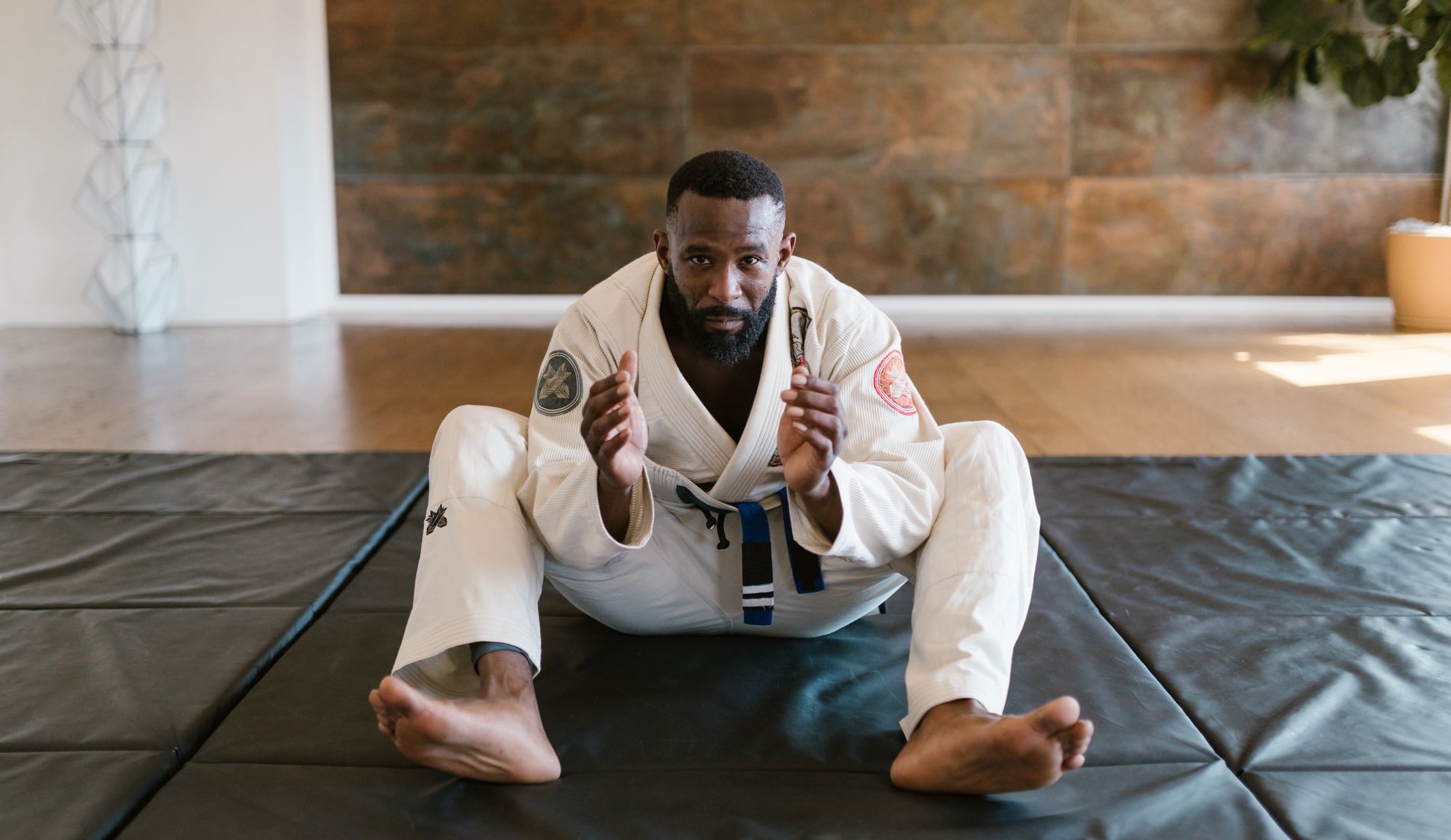
Start in the gi. For most beginners the gi is the better place to learn, because the slower pace and the grips on the jacket and collar give you time to feel each position and build real technique. That foundation transfers straight into no-gi later, so you lose nothing by starting in the traditional uniform.
It is one of the most common questions we get from people about to try Brazilian jiu-jitsu: should I train gi or no-gi? Both are the same art at heart, leverage, position and submissions, but they look and feel different on the mat, and the difference between gi and no-gi matters more than most beginners expect. Here is an honest comparison, and where we think a new student should start.
What is gi BJJ?
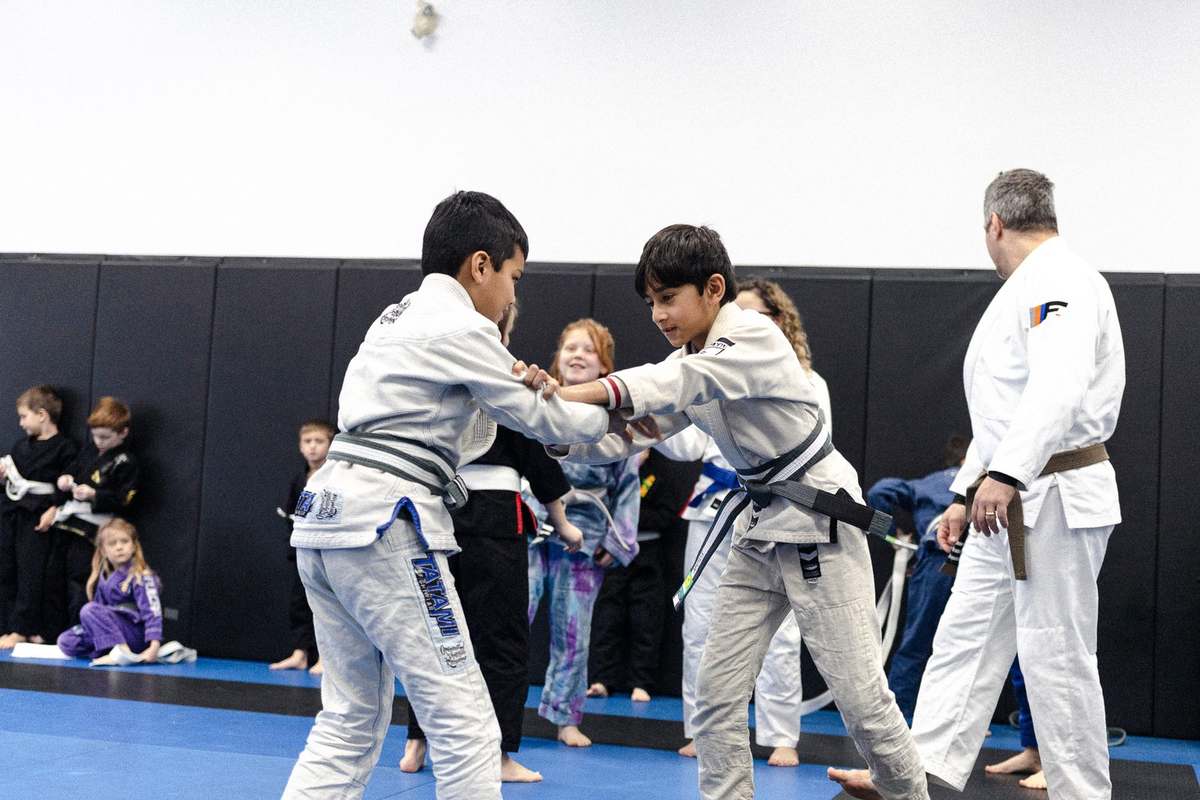
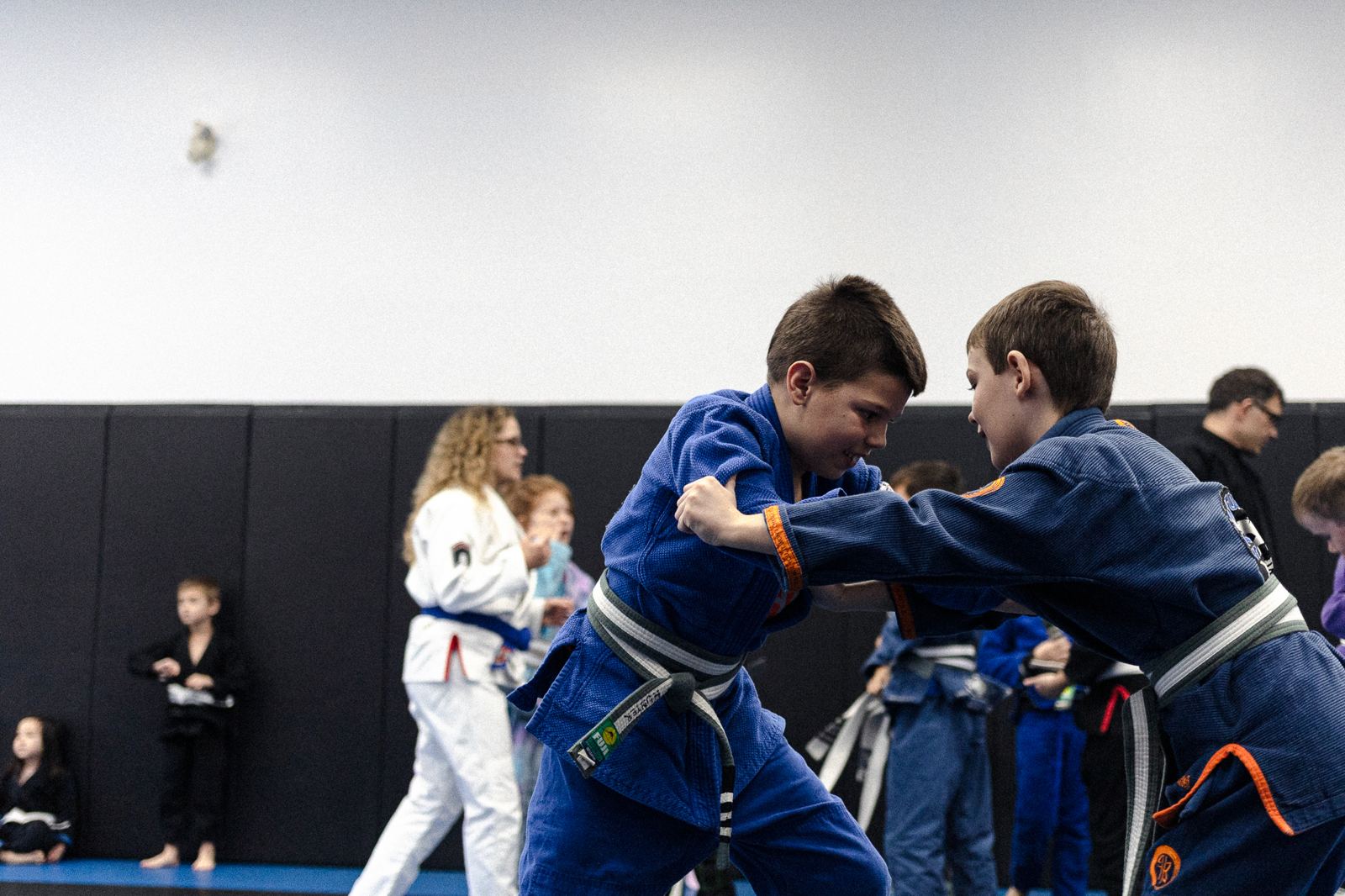
Gi BJJ is the traditional form of Brazilian jiu-jitsu. You wear a gi: a heavy cotton jacket, trousers and a coloured belt, sometimes called a kimono, and the fabric is part of the game. You grip your opponent's collar, sleeves and lapels to control them, set up sweeps, and finish chokes and armlocks. Because those grips let a person hold and stall you, the gi rewards patience and precision over speed. It is slower, more technical, and the style used in most traditional academies and IBJJF tournaments.
What is no-gi BJJ?
No-gi BJJ, also called submission wrestling, is trained in a rash guard and shorts with no jacket to grab. With no clothing grips, the game gets faster and slipperier, and it leans more on wrestling: underhooks, overhooks, body locks and head control instead of collar and sleeve. No-gi also opens up leg locks and heel hooks that gi rules often restrict, and its speed and lack of grips make it the version closest to mixed martial arts. It rewards athleticism, scrambling and tight body-to-body control.
What is the difference between gi and no-gi BJJ?
The simplest way to see it is side by side. The gi gives both people lots of handles, which slows everything down and makes technique king; no-gi takes those handles away, which speeds everything up and rewards movement.
Gi vs no-gi at a glance
- What you wear: gi: cotton jacket, trousers and belt · no-gi: rash guard and shorts
- Grips: gi: collar, sleeves and lapels · no-gi: underhooks, body locks and head control
- Pace: gi: slower and more deliberate · no-gi: faster and sweatier
- Submissions: gi: collar chokes and gi-specific grips · no-gi: more leg locks and heel hooks
- Feels like: gi: technical chess · no-gi: athletic wrestling
Neither is "better." They are two angles on the same skill set, and most experienced grapplers train both.
What are the pros and cons for a beginner?
For someone brand new, the gi has a real teaching advantage. The grips give you something to hold while you think, the slower pace lets you feel a position before it changes, and being controlled by an opponent's grips forces you to learn proper escapes rather than muscling out. The trade-off is that the gi can feel hot and frustrating at first, and there is a uniform to buy once you join. No-gi is more beginner-friendly in one way: there is less to learn about grips on day one, but its speed can overwhelm a newcomer, and without handles it is easy to fall back on strength instead of technique. For building a foundation, the gi usually wins.
Why does Stratford BJJ start beginners in the gi?
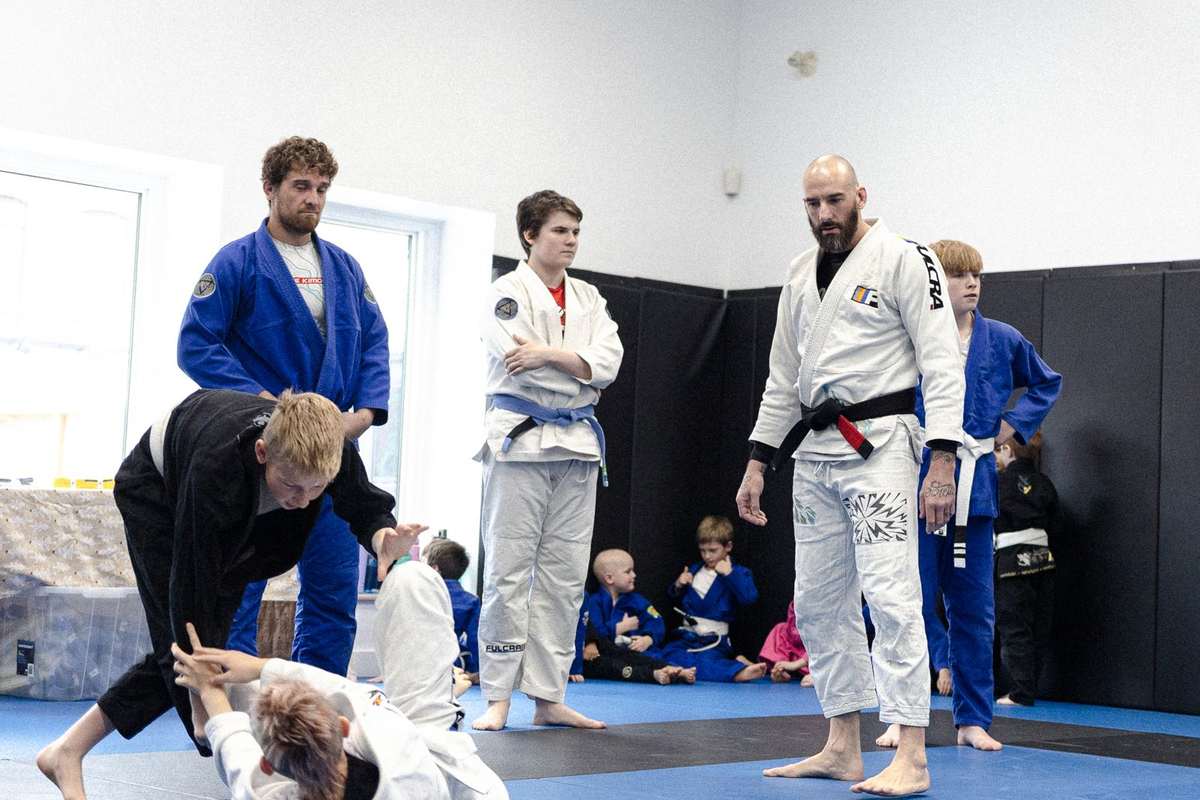
Every new student at Stratford BJJ starts in our gi-based BJJ Basics program, and that is a deliberate choice. The gi slows the game down enough that you can actually learn, and because your opponent can grip and stall you, you cannot rely on speed or strength to escape a bad spot. You are forced to do it with technique. Those clean fundamentals are the hardest thing to build and the most valuable thing to own, and they carry directly into no-gi when you are ready. Start sloppy and fast, and you spend years unlearning bad habits; start in the gi, and you build a foundation that holds up everywhere.
Should you train both gi and no-gi?
Eventually, yes, and most of our members do. Training both makes you a well-rounded grappler: the gi sharpens your precision and patience, while no-gi sharpens your speed, scrambling and body control. Once your fundamentals are solid in the gi, our NoGi / Submission Wrestling classes are the natural next step, and the two complement each other so well that progress in one tends to lift the other. You do not have to choose forever: you just have to choose where to start.
What do you wear for each?
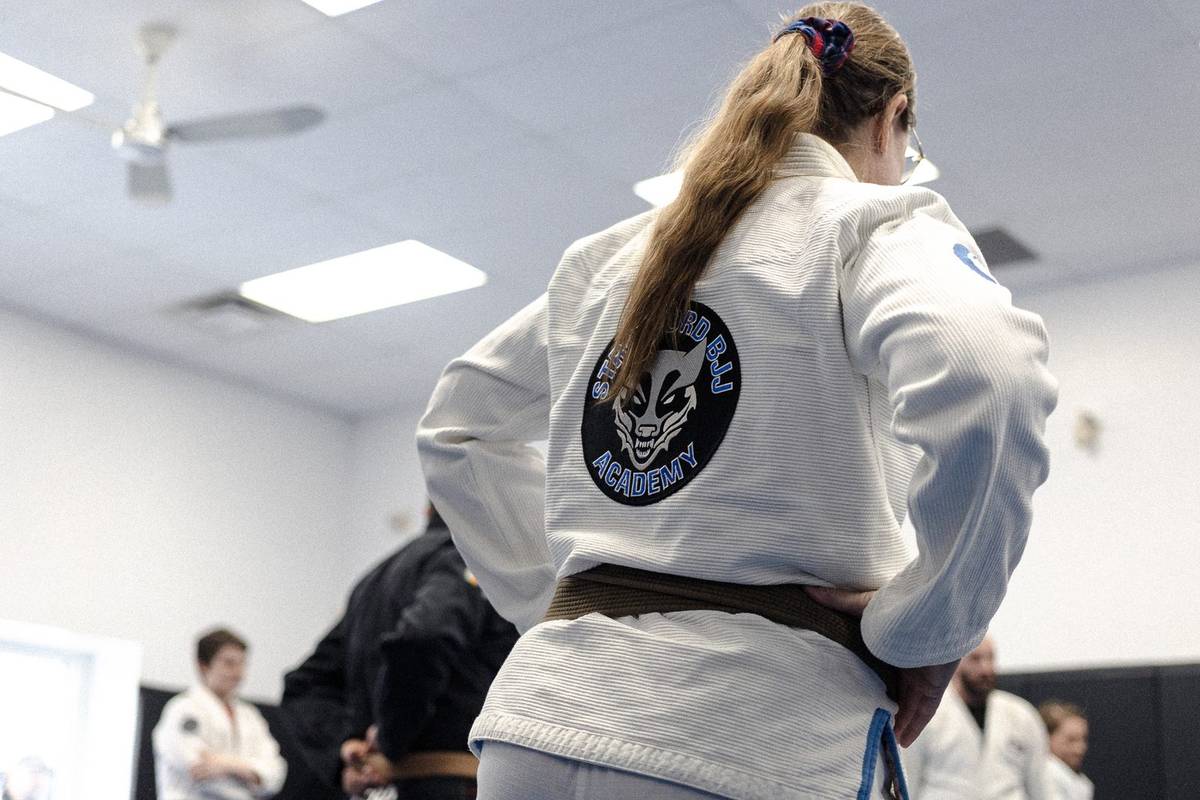
For your very first class you do not need either, just comfortable athletic clothes and a water bottle, and we lend you a gi so there is nothing to buy before you try it. Once you join, you will want your own gi for BJJ Basics (a clean cotton jacket, trousers and belt) and a rash guard and shorts for no-gi. Train barefoot, keep your nails trimmed, and you are set for both.
Not sure which is for you? Try a class free.
Book a Free Intro Class →Key takeaways
- Gi BJJ uses a cotton jacket and grips; it is slower and more technical
- No-gi BJJ is trained in a rash guard and shorts; it is faster and leans on wrestling and leg locks
- Beginners learn best in the gi: it builds precise, transferable technique
- Stratford BJJ starts every new student in gi-based BJJ Basics for that reason
- Train both over time to become a well-rounded grappler
Frequently asked questions
Most beginners should start in the gi. The slower pace and the grips on the jacket and collar give you time to feel each position and learn the technique properly. That technical foundation transfers straight into no-gi later, which is why we start every new student in our gi-based BJJ Basics program.
Neither is harder overall, but they are hard in different ways. The gi is slower and more technical, with grips that let your opponent control and stall you. No-gi is faster and sweatier with fewer handles, so it rewards speed, scrambling and tight body control. Beginners usually find the gi easier to learn on.
In gi BJJ you wear a heavy cotton jacket, trousers and a belt, and you grip the fabric, collar, sleeves and lapels, to control and submit your opponent. No-gi BJJ is trained in a rash guard and shorts with no fabric to grab, so it is faster and leans on wrestling, underhooks, body locks and leg locks.
Yes. The gi forces precise technique because your opponent can grip and stall you, so you cannot rely on speed or strength to escape a bad position. Those clean fundamentals carry directly into no-gi, where they make you sharper and harder to hold down.
For your first class just bring comfortable athletic clothes and a water bottle. We lend you a gi so there is nothing to buy before you try it. Once you join, you will want your own gi for BJJ Basics and a rash guard and shorts for no-gi.